
YOUR CART
- No products in the cart.
Subtotal:
₹0.00
BEST SELLING PRODUCTS
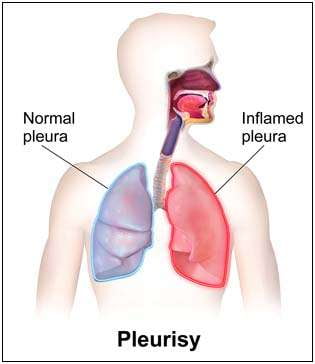
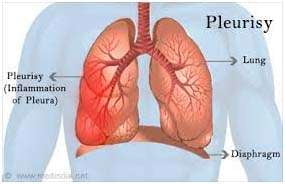
Pleurisy is also known as Pleuritis. It is a respiratory disease in which over lining of lungs called pleura is inflamed. Pleura is a double layered membrane around the lungs and rib cage. In this condition breathing is painful. In some cases it is associated with another diseased condition called pleural effusion in which exists accumulation of fluid between the two pleural layers. It causes sharp chest pain which makes breathing difficult.
? A variety of conditions are responsible for pleurisy.
? Viral infections like flu or influenza
? Bacterial infections like tuberculosis, pneumonia.
? Sickle cell anemia and pancreatitis
? Cancers like Lung cancer
? Heart surgery
? Certain medications
Depending upon cause of disease the symptoms may vary.
? Chest pain
? Cough
? Shortness of breath
? Fever
? Shoulder pain
? Muscle ache
1. Dry Pleurisy –It occurs when the pleura is embedded with fibrous tissue.
2. Effusive Pleurisy –It occurs when the space of pleural layers is filled with extra fluid, such condition is called pleural effusion.
3. Purulent Pleurisy –– It is most dangerous type of pleurisy. In this space between layers is filled with dead cells commonly known as Pus.

1 to 2 capsules three or four times a day for thirty to forty days
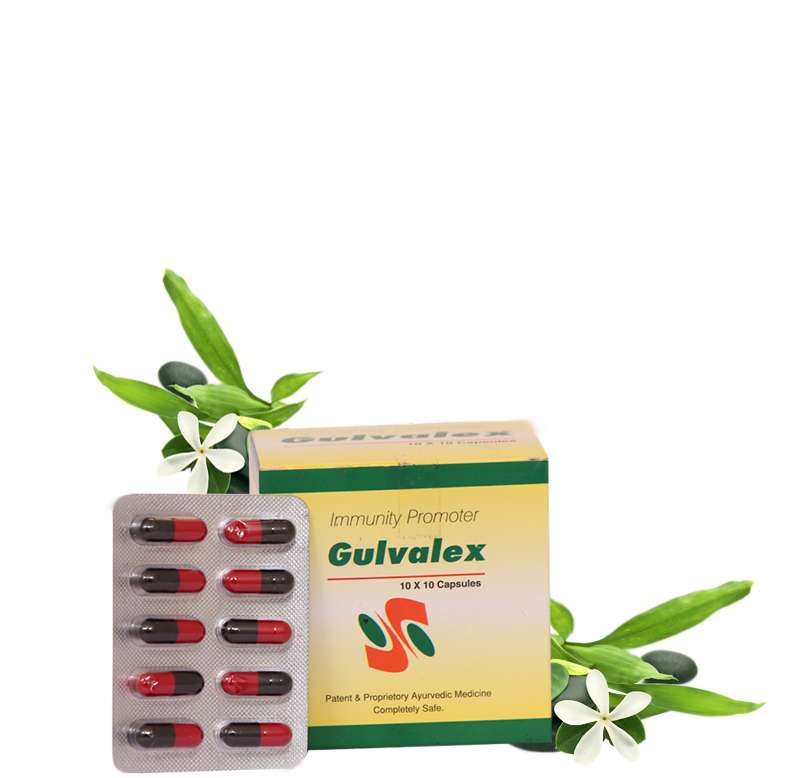
1 to 2 capsules three or four times a day for thirty to forty days .

is taken in the dose of 1 to 2 teaspoonful four times a day with potable water.
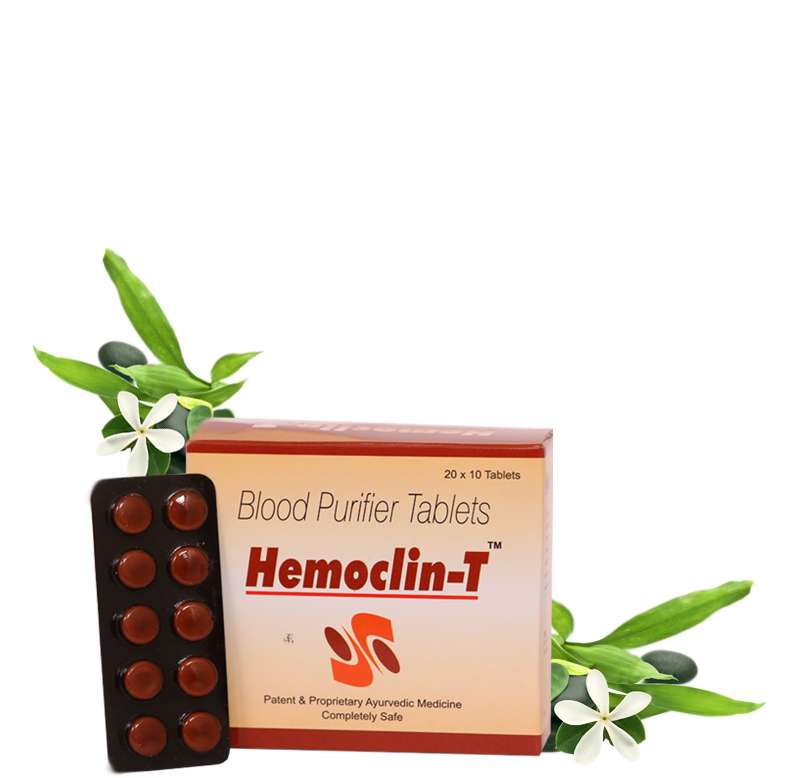
to 2 tablets twice or thrice a day till a satisfactory feel good experience to combat generalized infections in Pleurisy.

Apply a little quantity on affected parts and rub gently for skin deep penetration of medicine.
1. Medical History – It helps to diagnose the disease. The patient’s history including any diseased condition or any medication which may be responsible for pleurisy.
2. Physical examination – It includes the physical checkup with the help of stethoscope.
3. Diagnostic tests:-
? Blood test
? ECG
? Chest X-Ray
? CT scan
? MRI
In some cases the symptoms of pleurisy and their complications is not clear. Pleurisy complications are considered as secondary conditions.
? Hair loss
? Loss of appetite
? Constipation
? Shortness of breath
? Pericarditis
? Pus in the pleural cavity.
It is an internal problem which is difficult to prevent but some things which can be done to prevent symptoms of pleurisy which are:
? Avoid excess use of pain killers
? Avoid exercise which you feel tired
Complications depend on the disease. Medicines used to suppress the immune system can cause severe side effects, such as higher risk of infection.
Dietary guidelines for Pleurisy patients
? Avoid fried foods.
? Cold food must be avoided because it leads to accumulation of phlegm in chest.
? Bitter vegetables like bitter gourd, fenugreek is good for pleurisy conditions.